Insights
Five event formats worth showing up for
Short answer
Choose the format around your audience, their shared challenge and what you can deliver well. Small dinners, shared experiences, workshops, conference gatherings and recurring groups each serve a different purpose.
By Ed Giansante · Published
getting someone to spend three hours with your brand is a pretty big deal.
they’ve moved things around. maybe found a babysitter. crossed the city. walked into a room where they might not know anybody.
i think about that a lot when i host events.
because once someone makes that effort, you owe them an experience worth showing up for.
and there’s a huge opportunity here for brands willing to put care into it.
we’re all spending more time online, surrounded by more content, more automated outreach, more things asking for our attention. i use these tools too. they’re useful.
but i’ve built my career bringing people together, from the Brazilian community in Ireland to founders and business leaders here in the US. the relationships that grow out of those communities take time, attention, and a reason to keep coming back.
events give you a place to do that.
for a founder or marketing leader thinking about where to start, these are five formats i’d seriously consider.
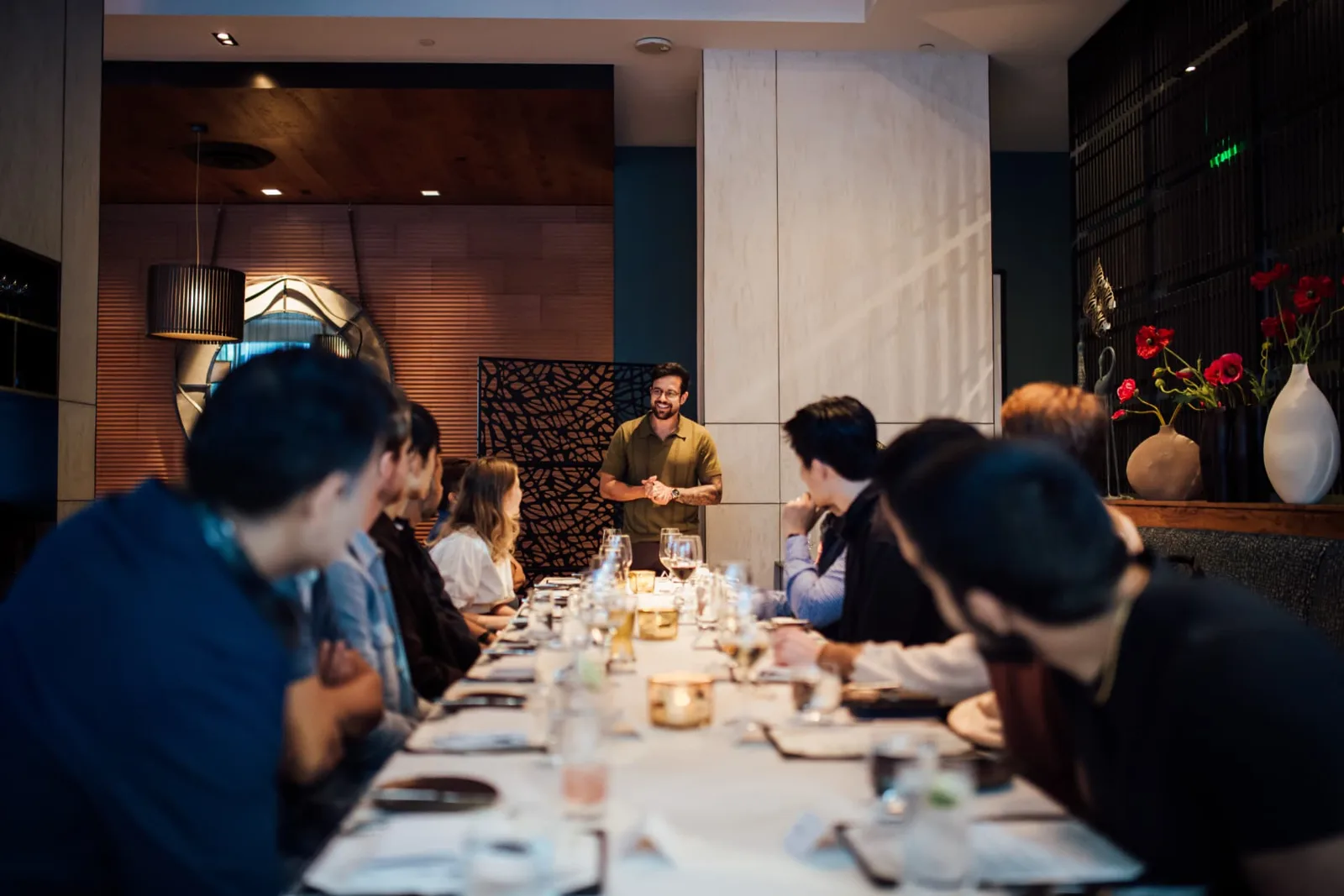
1. the small dinner
this is probably the format i spend the most time thinking about.
12–16 people. a good meal. enough time to get past the introductions and into something useful.
the work starts with the guest list.
“founders in San Francisco” gives you thousands of people who might have very little in common beyond their location and job title.
“founders making their first enterprise sales hires” gives you a shared challenge. people can compare decisions, share mistakes, and make introductions that actually help.
that shared context makes hosting easier too. you have something meaningful to build the conversation around.
i’d start by writing down why these particular people would want to meet each other. if the answer is weak, keep working on the list.
then think about the experience from the guest’s side.
can they hear the person across the table? does someone welcome them when they arrive? will they spend the whole night sitting next to the same two people? does the host know enough about them to make a thoughtful introduction?
a private room helps. good food helps. a host who notices someone has barely spoken helps a lot.
and give the conversation some direction without making people feel like they’ve enrolled in a mandatory team exercise.
one good question can carry a table for half an hour.
for a sponsoring brand, being part of that experience gives people a reason to remember you and continue the relationship.
protect that. guests should know who’s hosting, who’s sponsoring, and what to expect before they arrive.
afterward, follow up with something specific. make the introduction you offered. send the resource someone mentioned. help a conversation continue.
that’s where a lot of the value develops.
2. the shared experience
i love a good dinner. i also think there’s a lot of room for experiences where people have something to do together.
sauna and ice bath. a hike. a cooking class. a small group learning something new.
having an activity takes some pressure off the interaction. people can participate at their own pace, and there’s an easy place for conversation to start.
you’re also giving someone a reason to come beyond the possibility of meeting a future customer.
they might genuinely want an evening to decompress.
that matters, especially when your audience spends the week going from meetings to screens to more meetings.
the activity needs to fit the people you’re inviting. make the physical demands clear. explain what to bring. give people a comfortable way to opt out of parts of the experience.
and leave time around it.
if everyone finishes the activity and immediately runs home, you’ve made it harder for those new connections to develop.
for a brand, the useful question is whether this is an experience your audience would appreciate and associate naturally with you.
the logo can be small. the care should be obvious.
also, please let someone finish the ice bath before asking about their software budget.
3. the practical workshop
this one has a lot of potential for companies selling something complex.
bring people together around a problem they already want to solve, and help them leave with progress.
a founder could bring their onboarding flow and get feedback. a marketing leader could work through an event measurement plan. a community manager could leave with a clearer member journey.
the invitation becomes much easier to write when you know what someone will accomplish.
keep the scope small enough to deliver on it.
“learn everything about growth” is a lot to promise in 90 minutes.
“leave with a draft of your first customer referral program” gives everyone a clearer expectation.
bring someone who knows the subject and can teach it. being good at selling a product and being good at helping a room learn are different skills.
give people time to work, ask questions, and compare approaches.
if your product helps with the problem, there’s room to demonstrate that honestly. people can understand the connection without spending the entire session inside a sales deck.
i’d measure this partly by what guests can do afterward.
did they finish something? apply something? ask to bring a colleague next time?
those are useful signals that you delivered on the invitation.
4. the gathering around an existing event
conference weeks concentrate a lot of the people you want to meet in one city.
they also fill those people’s calendars very quickly.
your invitation needs a clear reason to exist.
a breakfast for founders entering the US market. a dinner for community leaders managing small teams. a quiet gathering for operators working through the same challenge.
specificity helps someone decide whether the room is worth making time for.
location matters more than people sometimes think. a venue that looks beautiful in photos can become a difficult choice when it requires a long trip across town between sessions.
make the logistics easy. be clear about timing. give guests enough information to plan their evening.
i’d also think carefully about the energy you’re asking for.
after a full conference day, some people want music and a big crowd. others want to sit down, eat properly, and finish a conversation without shouting.
there’s room for both. build deliberately for the people you’re inviting.
for sponsors, this can be a useful way to participate in a conference week with a focused group. the value depends heavily on who attends and whether they have a good reason to engage with each other.
and respect the next morning. a small, thoughtful follow-up will often feel more welcome than immediately enrolling everyone in a sales sequence.
5. the recurring group
this is the one i’d put the most care into.
a recurring group gives people the chance to build some history together.
someone mentions a difficult hire in one conversation. next time, another member asks how it went. a person makes an introduction and gets to hear what happened afterward.
those small moments create familiarity. over time, asking for help becomes easier because people have more context about each other.
start with a clear idea of who the group serves.
“senior leaders” might be too broad. “people building their first community team inside a B2B company” gives members a better sense of what they’ll find.
then choose a rhythm you can sustain.
monthly can work. quarterly can work. the right cadence depends on people’s needs, their location, and your ability to deliver a worthwhile experience consistently.
i’d rather make four thoughtful gatherings happen than promise twelve and struggle through half of them.
someone also needs to care for the relationships between events.
remembering what people are working on. welcoming a new member. making an introduction with permission. noticing when the group’s needs have changed.
that work takes time, and it deserves an actual owner.
you’ll need judgment about who joins too. every additional person changes the experience for everyone already there.
be clear about expectations, especially around selling, confidentiality, and how members can contact each other.
the group needs to feel valuable enough that people protect time for it.
if members keep returning, contribute without being chased, and introduce people they respect, you’re building something worth continuing.
how i’d choose where to start
i’d look at the audience, the relationship you already have with them, and what you can deliver consistently.
if you have a small group of customers and prospects facing the same challenge, a dinner is a reasonable starting point.
if people need help understanding or applying something, try a workshop.
if you already have strong relationships and keep hearing that people want to see each other again, you may have the beginnings of a recurring group.
start with a format you can run well. learn from the people who show up.
and be honest about the commercial goal.
brands can want pipeline, customer retention, referrals, or better relationships with their market. having a business objective gives the work direction.
the experience still needs to be worthwhile for the guest.
i’d track attendance and cost, of course. i’d also look at repeat attendance, relevant introductions, follow-up conversations, and opportunities that develop over time.
when reporting pipeline, be clear about what the event originated and where it helped an existing relationship move forward.
you’ll make better decisions when you can explain what actually happened.
the part i keep coming back to is pretty simple.
someone gave you an evening they could have spent with their family, their friends, or doing absolutely nothing at home.
make them glad they came.
then give those relationships somewhere to go.